A call is not the same as a finished cutout
Background removal APIs are often billed per image or credit, but a production catalog values clean edges and correct subject retention. Build a representative set containing hair, fur, transparent objects, glass, white products, dark products, shadows, holes, multiple subjects, and difficult backgrounds. Define when a result passes automatically, needs manual repair, or must be rerun.
Use the accepted-output calculator with that measured pass rate. If one provider charges less per call but doubles the repair queue, the cheaper call may be the more expensive workflow. Keep human review and retouching as an explicit amount instead of hiding it inside an optimistic acceptance percentage.
Compare the exact endpoint and plan
A basic removal endpoint and a broader image-editing endpoint can both remove a background but have different prices and capabilities. Fix whether you also need resize, canvas positioning, shadows, relighting, AI backgrounds, upscale, or format conversion. Count combined operations and confirm whether one call can perform them together.
Check input file limits, output resolution, alpha support, webhook or synchronous behavior, concurrency, sandbox watermarks, free allowances, annual commitments, and volume pricing. A free sandbox validates integration but does not represent a clean production output or the long-run marginal price.
- Preserve the original and output so edge regressions can be reviewed.
- Use idempotency or a stable job ID before retrying a billable submission.
- Retry only documented transient failures and cap attempts.
- Store no customer image longer than the product and provider retention rules require.
Design a safe degradation path
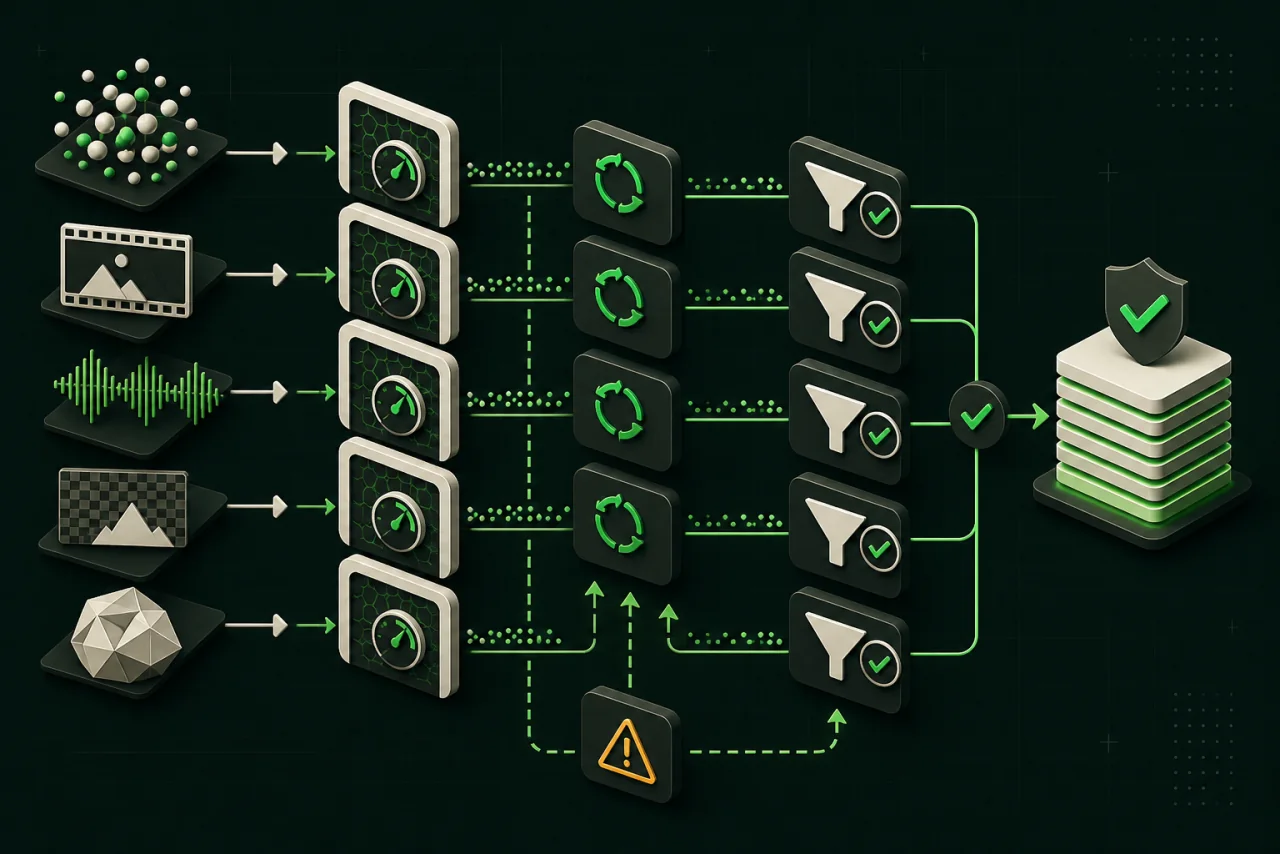
When the external service is unavailable, do not silently submit the same image repeatedly. Queue one job with a stable internal identifier, check the provider result endpoint when available, and move persistent failures to a visible manual-review state. The user should know whether an image is processing, failed, or ready.
Monitor success rate, p95 latency, manual-review rate, cost per accepted image, and provider error class. These operational numbers determine whether a lower list price remains cheaper after launch. Keep provider-specific request and response mapping behind one adapter so a fallback can be tested and removed cleanly.
Common comparison mistakes
- Benchmarking only portraits while the product processes products, glass, or complex edges.
- Mixing a basic remove-background endpoint with a full editing endpoint.
- Counting sandbox or watermarked calls as production-ready outputs.
- Blindly retrying a request that may already have been accepted and billed.
- Ignoring annual minimums, output size, or manual retouching.
Questions developers ask
How should I compare background removal API pricing?
Fix the endpoint, output specification, and test set, then compare total API and review cost per cutout that passes the same edge-quality rubric.
Are free sandbox images part of the production price?
No. A sandbox is useful for integration tests, but watermarks, limits, and production allowances must be modeled separately.
What should happen when the API times out?
Use a stable job identifier, check whether the provider accepted the work, retry only documented transient operations with a cap, and expose a manual-review state.